Electrical nameplate
Provide rated power, voltage, full-load current, frequency, speed, efficiency, power factor, duty and connection information.
 WhatsApp
AC motor sourcing and matching
Source general-purpose and inverter-duty AC motors using the complete nameplate and mechanical interface. We support replacement motors, new motor-drive packages and project schedules that require consistent electrical and dimensional data.
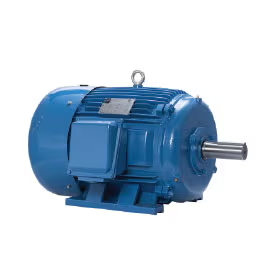
Selection foundation
Power and voltage alone do not define an industrial motor. Speed, frequency, frame, mounting, shaft dimensions, enclosure, insulation, efficiency class, service factor and hazardous-area requirements can all determine whether a replacement will install and operate correctly. When a VFD is used, minimum speed, cooling, insulation stress, bearing protection and constant-torque duty should also be considered.
Provide rated power, voltage, full-load current, frequency, speed, efficiency, power factor, duty and connection information.
IEC or NEMA frame, foot or flange arrangement, shaft size, terminal-box position and available installation space must align.
Ingress protection, cooling method, ambient temperature, altitude, corrosion, washdown and hazardous-area classification affect selection.
Confirm speed range, torque profile, motor cooling, insulation system, cable length and bearing-current mitigation for inverter service.
Product range
These groups are a practical way to narrow the requirement. Final model selection still depends on the electrical, mechanical and installation data shown on this page.
Standard squirrel-cage motors selected by electrical rating, efficiency, frame, mounting, enclosure and continuous operating duty.
Typical fit: Pumps, fans, compressors and plant machinery
Motors designed and applied for defined variable-speed ranges, inverter waveforms and torque requirements.
Typical fit: Continuous VFD operation and wider speed ranges
Motors combined with a spring-applied or application-specific brake, with voltage, release control and manual-release details confirmed.
Typical fit: Hoists, conveyors and position-holding machinery
Enclosures, coatings, seals and material options selected for cleaning, moisture and corrosive process exposure.
Typical fit: Food, beverage, water and outdoor applications
Certified motor options selected only after area classification, gas or dust group, temperature class and local approval basis are confirmed.
Typical fit: Classified process areas with documented requirements
Project motors coordinated with the supply, starter or drive, cooling, protection and mechanical load requirements.
Typical fit: Large pumps, fans, compressors and process equipment
Quick selection
Select the known basics, then attach the nameplate and mounting photos in WhatsApp for dimensional and duty review.
Typical specification scope
Common applications
Efficiency, speed, starting method, service factor and expected load profile are matched to continuous process operation.
Starting torque, brake requirements, mounting and the mechanical interface are checked for reliable loaded starts.
Enclosure, coatings, seals, drainage, materials and cable entries are selected for moisture and corrosion exposure.
The speed range, torque duty, cooling and insulation requirements are reviewed together with the selected drive.
Decision guide
From requirement to quotation
Send a clear label photo plus the shaft, mounting, terminal box and overall installation when replacement fit matters.
The proposed motor is checked for power, current, speed, frame, mounting, enclosure, duty and drive compatibility.
The quotation states the motor details, included accessories, documentation, availability and delivery basis.
Frequently asked questions
No. Those values are only the beginning. Speed, frame, mounting, shaft, current, frequency, enclosure, duty and efficiency must also be checked to avoid an electrical or mechanical mismatch.
Suitability depends on the insulation system, speed range, cooling, torque duty, cable length and voltage waveform. Applications with long motor cables, low continuous speed or large frames may need extra filters, forced ventilation or bearing protection.
They can sometimes be adapted, but frame dimensions, mounting, shaft, ratings, service factor and regional conventions differ. A direct fit should never be assumed from horsepower alone.
Send the complete nameplate, full motor, feet or flange, shaft, terminal box and any brake, encoder or separately powered fan. Include a ruler or drawing when exact dimensions are critical.
We include this page, your selected model or specifications, and a reference. You only add quantity and destination before sending.